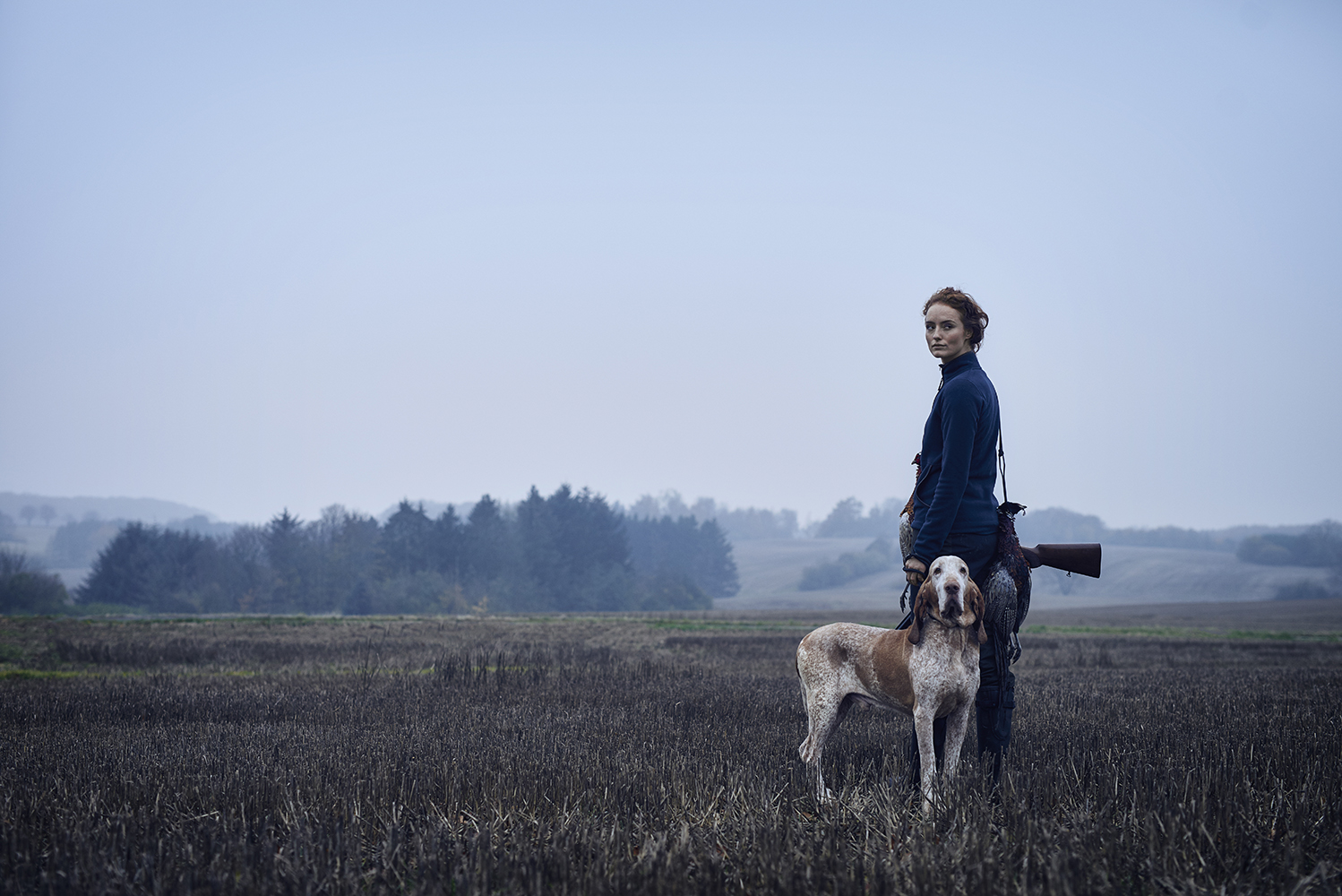
Target shooting is a rewarding and enjoyable sport that offers the chance to develop precision, focus, and discipline. Whether you're interested in air rifles, pistols, or full-bore firearms, the UK has a vibrant target shooting community with clubs, ranges, and competitions for all skill levels. This beginner's guide will help you understand the essentials to get started.
Understanding Target Shooting in the UK
Target shooting in the UK is highly regulated to ensure safety, but it is accessible to anyone who follows the rules. There are several disciplines within target shooting, each with unique characteristics:
Common Types of Target Shooting
- Air Rifle and Air Pistol Shooting:
- Uses low-powered airguns for precision shooting at distances of 10m to 25m.
- Ideal for beginners due to affordability, ease of use, and fewer legal restrictions.
- Small-Bore Rifle Shooting:
- Typically uses .22LR rimfire rifles for precision shooting at ranges of 25m, 50m, or 100m.
- Popular for competition shooting, such as the NSRA Small-Bore Rifle Competitions.
- Full-Bore Rifle Shooting:
- Involves larger calibers for long-range shooting, often at distances of 300m and beyond.
- Requires membership in a rifle club and a Firearms Certificate (FAC).
- Clay Pigeon Shooting:
- Focuses on shooting moving clay targets with a shotgun.
- Excellent for improving reaction time and hand-eye coordination.
- Field Target (FT) and Hunter Field Target (HFT):
- Outdoor disciplines using air rifles to shoot at knockdown targets at varying distances and angles.
- Combines precision with environmental factors like wind and elevation.
Legal Requirements for Target Shooting in the UK
Airguns
- Licensing: Air rifles below 12 ft-lbs and air pistols below 6 ft-lbs of muzzle energy do not require a license in England and Wales (but require a license in Scotland and Northern Ireland).
- Age Restrictions: You must be at least 18 to purchase or own an airgun.
- Where to Shoot: Only shoot on private land with permission or at a licensed shooting range.
Firearms
- Firearms Certificate (FAC): Required for owning and using small-bore and full-bore rifles.
- Apply through your local police force, demonstrating good character, secure storage, and a valid reason for ownership (e.g., target shooting).
- Club Membership: You must join a Home Office-approved shooting club to use rifles or pistols legally.
Shotguns
- Shotgun Certificate (SGC): Required for owning and using shotguns for clay shooting or other activities.
- Licensing Process: Similar to an FAC but with slightly different criteria.
Equipment You'll Need
Essential Gear
- Rifle or Pistol: Choose an airgun for beginners or a small-bore/full-bore firearm if pursuing advanced shooting disciplines.
- Ammunition: Use high-quality pellets or bullets suitable for your firearm.
- Scope or Sights:
- Iron Sights: Basic sights for close-range shooting.
- Telescopic Scopes: Ideal for long-range precision.
- Targets:
- Paper bullseye targets for precision shooting.
- Reactive or knockdown targets for more interactive practice.
- Safety Gear:
- Ear protection (essential for firearms).
- Eye protection to guard against ricochets.
Optional Accessories
- Shooting mat (for prone shooting)
- Bipods or rests for stability
- Cleaning kit for firearm maintenance
- Range bag to carry equipment
Finding a Shooting Range or Club
Types of Shooting Locations
- Indoor Ranges: Ideal for airguns and small-bore shooting, typically with distances of 10m to 50m.
- Outdoor Ranges: Offer longer distances for full-bore and field target shooting.
- Clay Pigeon Grounds: Specialized ranges for shotgun sports.
How to Join a Club
- Research Local Clubs: Use resources like the National Rifle Association (NRA), National Small-Bore Rifle Association (NSRA), or the British Association for Shooting and Conservation (BASC) to find approved clubs near you.
- Attend an Open Day: Many clubs offer open days for prospective members to try shooting.
- Apply for Membership: Most clubs require a probationary period during which you'll receive training and safety instruction.
Learning the Basics of Shooting
Shooting Stances
- Prone: Lying down, offering maximum stability for precision shooting.
- Standing: Requires more balance and control, common in air rifle competitions.
- Kneeling: A middle ground between stability and mobility.
Breathing Control
- Breathe in, exhale halfway, and hold your breath momentarily as you squeeze the trigger.
- Proper breathing minimizes body movement and improves accuracy.
Trigger Control
- Pull the trigger slowly and steadily to avoid disturbing your aim.
- Avoid jerking or slapping the trigger, as it can throw off your shot.
Sight Alignment
- Align the front and rear sights (or scope reticle) with the target.
- Focus on the front sight or reticle, letting the target appear slightly blurred.
Follow-Through
- Maintain your shooting stance and focus after the shot.
- This helps ensure consistency and accuracy.
Tips for Improving Accuracy
- Start Small: Begin with shorter distances and work your way up as your accuracy improves.
- Consistent Practice: Regular sessions are key to developing muscle memory and refining technique.
- Analyze Groupings: Look for patterns in your shot groupings to identify areas for improvement.
- Experiment with Pellets or Ammunition: Different brands and weights can significantly impact performance.
- Seek Guidance: Take lessons or ask for advice from experienced shooters at your club.
Costs Involved
Initial Costs
- Air Rifle Kit: £150–£300 for a beginner's setup.
- Small-Bore Rifle: £500–£1000+ for rifle and accessories.
- Shotgun for Clay Shooting: £400–£1500+.
Ongoing Costs
- Ammunition: Airgun pellets are affordable (£10–£20 per tin), while .22LR rimfire and shotgun cartridges cost more.
- Club Membership: Typically £50–£200 annually.
- Range Fees: Vary by range; some clubs include range access in membership fees.
Etiquette and Safety Rules
Range Safety
- Always follow the Range Officer's commands.
- Keep your firearm pointed downrange at all times.
- Never load your firearm until you're on the firing line and ready to shoot.
Etiquette
- Be courteous to other shooters by minimizing distractions.
- Wait for a "ceasefire" command before retrieving targets.
- Respect the club's rules and regulations.
Advancing in Target Shooting
As you gain experience, you can explore more advanced opportunities:
- Competitions: Enter local, regional, or national events hosted by organizations like the NSRA or NRA.
- Specialized Disciplines: Try field target, hunter field target, or long-range precision shooting.
- Upgrading Equipment: Invest in high-quality rifles, optics, and custom gear to enhance performance.
Conclusion
Target shooting in the UK is a safe and exciting sport that caters to all ages and skill levels. By understanding the basics, following legal requirements, and practicing regularly, you'll develop the skills and confidence needed to enjoy this rewarding pastime. Whether you're shooting airguns, small-bore rifles, or trying clay pigeons, the key is to start simple, focus on safety, and enjoy the process of improvement.